

Top Cooperative Card Games for Friends
We’ve all been there. The “friendly” game of Uno or Monopoly slowly curdles as one person runs away with the lead, turning a fun activity into a joyless slog for everyone else. What if there was a different way to play—a way to get all the strategy and excitement without the sore losers or gloating winners? To find more, check on Login CINTA78
Enter cooperative games. Instead of plotting against your friends, you’re all on the same team, working together to outsmart the game itself. Think of it like an escape room in a box or a team of specialists in a heist movie trying to pull off the perfect job. The challenge comes not from another player but from a clever set of rules that acts as the “villain.” You either celebrate a shared victory or laugh about your collective failure, together.
This shift from “Player-vs-Player” to “Player-vs-Game” transforms the feel of game night. With a shared victory condition, no single winner is gloating at the end, nor is there one person left feeling frustrated. The focus shifts to group success, replacing arguments with high-fives and collaborative problem-solving. It’s one of the best ideas for bringing people together, whether they’re ultra-competitive or just want to connect.
Your First Mission: The Easiest Co-op Game in the World
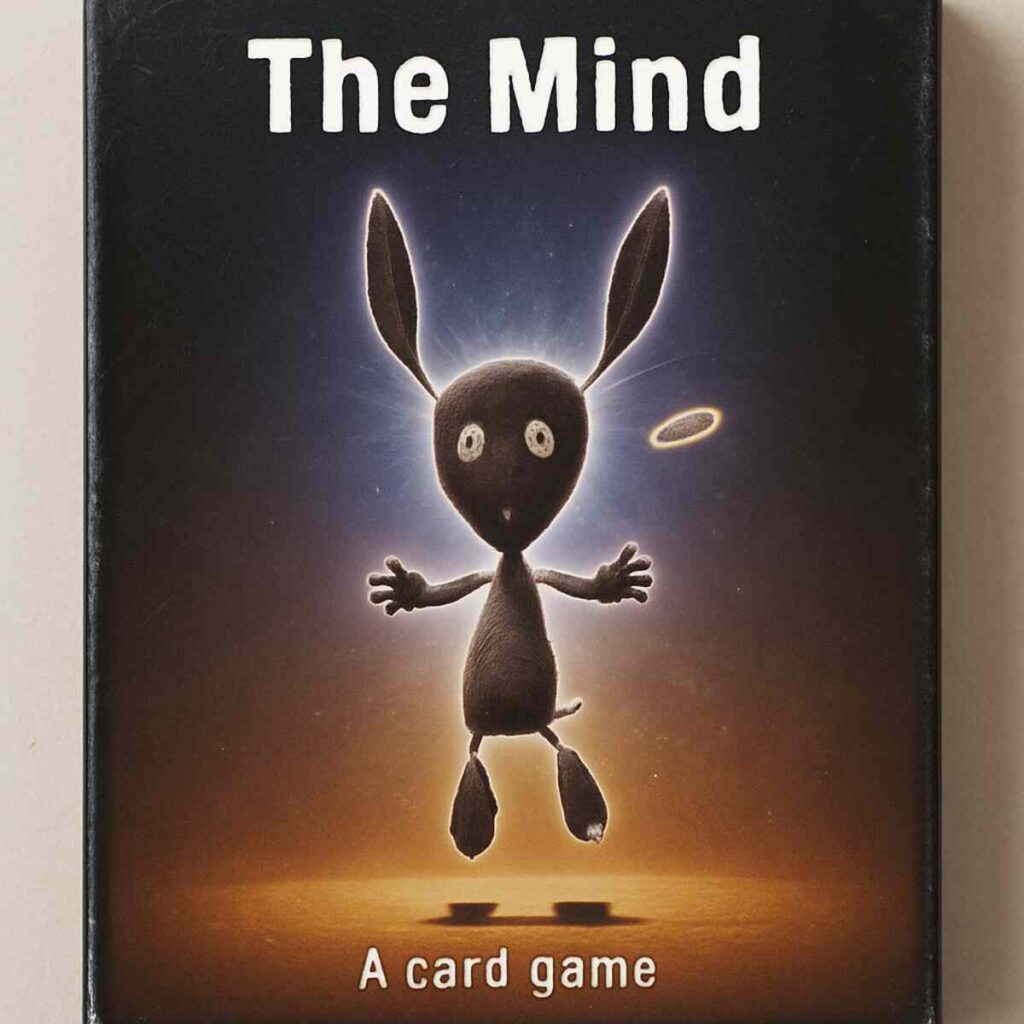
If you’re worried that “teamwork” means staring at a complicated rulebook, let’s start with a game that proves the opposite: The Mind. The goal is so simple it sounds like a magic trick. You and your teammates are dealt cards with numbers on them, and you must play them to the center of the table in ascending order. The twist? You cannot speak, gesture, or give any clues about what’s in your hand.
Instead of complex rules, you are trying to beat your own impatience and assumptions. You have to develop a shared sense of rhythm, trying to feel when the time is right to play your “15” versus their “18.” A round might start with tense silence, then a collective sigh of relief as someone confidently plays a low card. The Mind isn’t about mastering rules—it’s about creating a connection. When your group plays a whole round in perfect sequence without a single word, the feeling of being in sync is electric.
Why ‘Winning Together’ Is a Game-Changer for Friend Groups
That feeling of being perfectly in sync is exactly what makes cooperative games so special. Instead of one person gloating while everyone else feels defeated, the entire table shares the same goal. The beauty of this setup is how well it works for groups with mixed skill levels. There’s no pressure on a new player to be an expert on day one. More experienced players naturally become friendly mentors rather than opponents, offering helpful advice and creating a welcoming space where everyone can contribute.
Ultimately, this style of play creates something more lasting than a win-loss record: a collection of shared stories. You’ll talk for weeks about the time you narrowly escaped a loss or the clever play that saved the day. The frantic plans and last-second victories become inside jokes and fond memories. It’s this shared struggle and triumph that make the experience so rewarding.
How Simple Rules Create Incredible Puzzles: Meet The Crew
If you’ve ever played classic card games like Hearts or Spades, you know the basics of trick-taking. Each player plays one card, and the person who played the highest card of the leading suit wins the “trick.” But what if the goal was to make sure the right person wins the right trick at the exact right time?
That’s the clever puzzle at the heart of The Crew: The Quest for Planet Nine. You work together as astronauts to complete missions, each a small goal like, “The player with the blue 4 must win a trick.” Suddenly, winning a trick for yourself might ruin the team’s plan. Your focus shifts to setting up your crewmates for success, turning a familiar concept on its head.
These missions start simple but quickly become more complex, forcing your team to think several steps ahead. The real challenge comes from a crucial restriction: you can’t just tell everyone what you have in your hand. This forces you to communicate in clever, subtle ways, making each victory feel like a hard-earned triumph.
The Fun of Biting Your Tongue: Why Limited Communication Works
Being told you can’t talk in a team game sounds strange, but this restriction is often the secret ingredient that makes cooperative games brilliant. It transforms a simple card game into a puzzle of wits, trust, and subtle hints.
Nowhere is this idea more central than in the beautiful Hanabi. The twist is that you can’t see your own cards—you hold them facing away from you. On your turn, you can give a very specific clue, like telling a friend, “You have two blue cards,” or pointing to a single card and saying, “This one is a 4.” You’re forbidden from saying, “Play your third card, it’s the one we need!” This creates moments of hilarious tension and brilliant breakthroughs. The fun comes from giving the perfect, minimalist clue that allows a teammate to make the right play.
How to Stop One Person from Taking Over the Game
Even in the best co-op games, one enthusiastic player can start directing traffic, turning a team effort into a one-person show. The easiest fix is often to choose a game that does the work for you. As we saw with Hanabi and The Crew, when players have hidden information or can’t speak freely, it becomes impossible for one person to dominate.
If your game allows open discussion, a simple ground rule can help. Before you deal the cards, agree as a group: “Let’s all try to solve our own turns but ask for help if we get stuck.” This small social contract permits everyone to think for themselves, ensuring the goal is shared fun, not just perfect strategy.
The Perfect Night In: Best Co-op Card Games for Two Players
Many of the best cooperative card games are designed for two players, making them a perfect activity for couples or friends. It’s all the fun of a shared activity with none of the “sore loser” baggage. The options are surprisingly rich, from mind-bending puzzles to lighthearted adventures.
Here are two fantastic starting points:
- Codenames: Duet: If you love word puzzles, this is your game. You and your partner give one-word clues to help each other guess secret agents from a grid of cards before time runs out.
- The Fox in the Forest Duet: For those who enjoy traditional card-playing, this game has you working together to win (or strategically lose) tricks to help your characters walk through a magical forest.
Each offers a different flavor of teamwork. Codenames: Duet is a game of “mind-reading,” while The Fox in the Forest Duet is a quiet, strategic puzzle.
Finally, a Game the Whole Family Can Agree On
Finding a game the whole family enjoys can feel impossible. Cooperative games solve this by putting everyone on the same team. The goal isn’t to outsmart your younger sibling; it’s to work together to outsmart the game.
A perfect example is the award-winning Forbidden Island. Your family plays as adventurers trying to grab four treasures from a sinking island. Each player gets a unique role with a special power. The Pilot can fly another player anywhere, while the Engineer can shore up two sinking tiles at once. This makes every person at the table feel powerful and necessary, shifting the focus from who is the “best” player to how the team uses everyone’s strengths.
What to Play When Your Whole Crew Shows Up
When the guest list grows beyond four, finding the right game can be a challenge. Some of the best cooperative games are built for this, creating a focused energy that brings a large group together.
For a truly unique experience, there’s The Mind, where the entire team tries to play cards in ascending order without speaking. If your crew prefers creative thinking, a game like So Clover! is a fantastic choice. You work together to solve clever word-association puzzles, trying to figure out how your teammates connected different keywords. Adding another player doesn’t mean adding complicated rules; it just adds another interesting mind to the collective puzzle.
Building Your Power: What Are Cooperative Deck-Building Games?
Some of the most satisfying games let your team become more powerful as you play. This is the core of “deck-building.” You start with a handful of basic cards and use them to acquire more powerful ones, shuffling them into your deck. Over time, your deck gets stronger and more specialized.
In cooperative deck-building games, everyone improves their own deck to help fight a common enemy. This adds a wonderful layer of strategy as you discuss who should acquire which cards. A perfect example is The Big Book of Madness, where players are wizarding students trying to seal away monsters. You start with simple spells but work together to learn more potent incantations, combining your unique, custom-built decks to survive.
Ready for an Epic Story? An Intro to Campaign Games
Campaign games unfold over many sessions, like a season of a TV show where you and your friends are the main characters. Instead of resetting, your victories, defeats, and decisions carry over, evolving the story based on your actions.
Legacy games take this further by having you permanently alter the game itself. You might write a name on a card, place a sticker on the board that unlocks a new rule, or even tear up a component. This creates an incredible sense of weight and consequence; your group’s copy of the game becomes a one-of-a-kind artefact, a physical record of your shared story. Unlike a standard game, these ongoing adventures create a deep sense of investment in a saga that belongs only to your group.
Arkham Horror vs. Marvel Champions: Which Adventure Is for You?
When it comes to story-driven campaign card games, two titans dominate: Arkham Horror: The Card Game and Marvel Champions. Choosing between them is about asking yourself: do you prefer a tense, slow-burning mystery or an action-packed blockbuster?
For players who love classic horror, Arkham Horror is the definitive choice. You play as investigators in the 1920s, uncovering sinister cults and battling cosmic monsters. The game is dripping with atmosphere, focusing on narrative, exploration, and a creeping sense of dread. If you’d rather punch a supervillain, Marvel Champions is your game. You become an iconic hero like Spider-Man or Captain Marvel, teaming up to thwart villains in exciting, one-shot “comic book issues” you can play in any order.
This model, called a Living Card Game (LCG), means the game grows with you without the frustrating randomness of collectible packs. You can buy expansion packs with specific new heroes, villains, and story chapters, allowing you to expand your adventure at your own pace.
Can I Play These By Myself? The Joy of Solo Gaming
Absolutely. Many cooperative games offer fantastic solo experiences. You don’t have to wait for your friends to dive into an adventure, making them perfect for a quiet evening and a great entry into solo board gaming.
Playing by yourself typically works in one of two ways. You can simply control two or more characters, making all the decisions for your “team.” This is often called multi-handing. Other games offer a dedicated solo variant with special rules adjusted for one player, creating a uniquely balanced puzzle. For example, Marvel Champions is designed from the ground up to be one of the best solo-play card games available. Facing down Rhino as Spider-Man on your own is a thrilling challenge that truly makes you feel like a hero.
Your Blueprint for a Fun, No-Fights Game Night
You no longer need to see game night as a battleground. Armed with the knowledge of cooperative play, you can transform any gathering into an exercise in teamwork and shared victory.
One of the best ways to discover these games is by visiting a specialty shop. Many towns have a Friendly Local Game Store (FLGS) where the staff are passionate about helping people find the right game. Don’t be intimidated; simply tell them, “I’m looking for a cooperative game for a few friends where we all play on the same team.” They’ll be thrilled to guide you.
Ready to get started? Pick the experience that sounds best for your group.
Your Co-op Starter Pack:
- For pure simplicity: The Mind
- For a clever puzzle: The Crew: The Quest for Planet Nine
- For a family adventure: Forbidden Island
Choosing a co-op game is an invitation to create a different kind of memory—one built on trust, communication, and the collective cheer when your team pulls off a last-minute win. So gather your crew, open the box, and discover the joy of winning, together.